Steeped in science and engineering history
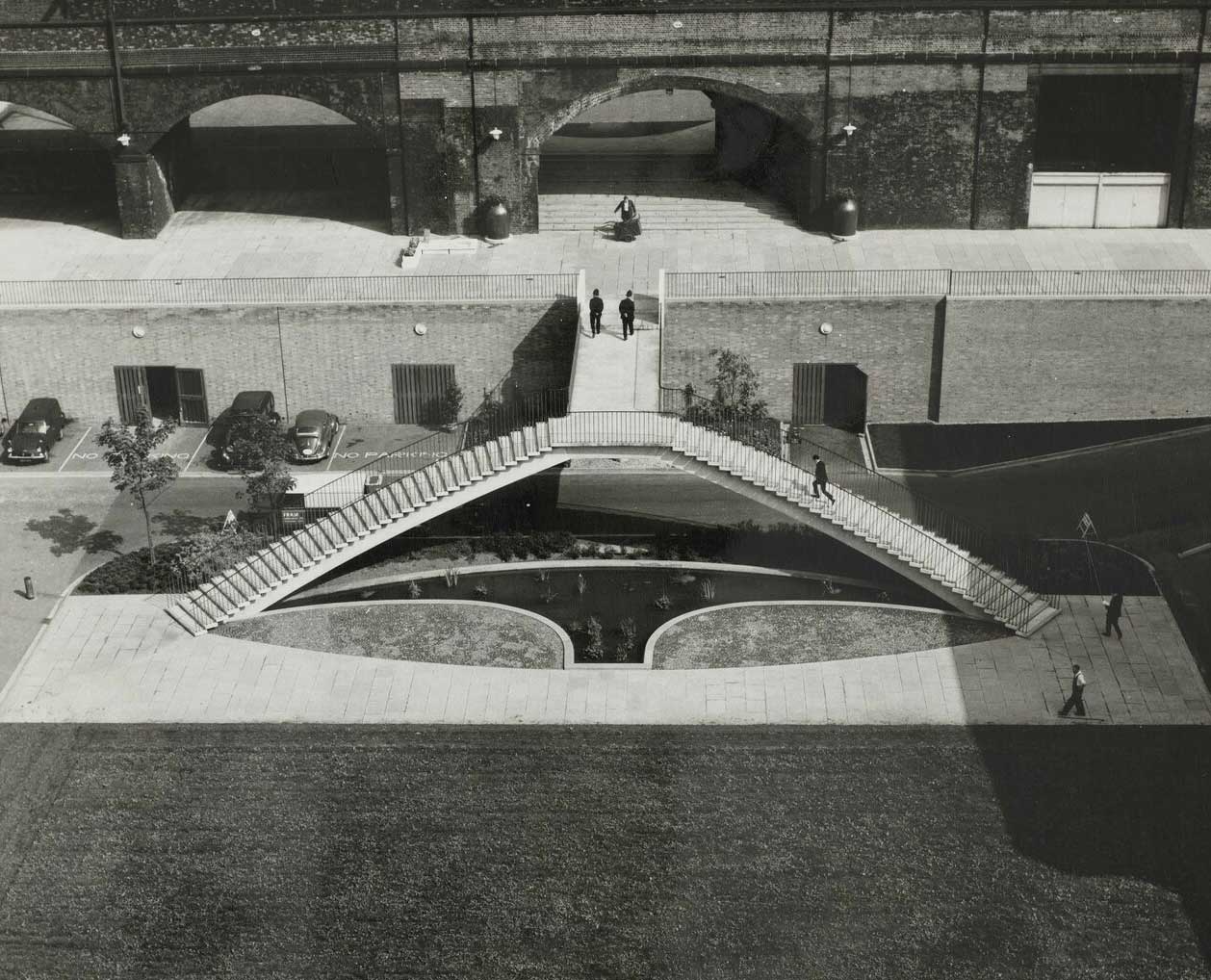
Sister stands on a site that has contributed significantly to Manchester’s innovation heritage. Once home to high-tech industries like printing, dyeing and manufacturing during the height of Manchester’s nineteenth-century “Cottonopolis” era, by the middle of the twentieth century the area had transformed into a global centre for computing, electronics and engineering.
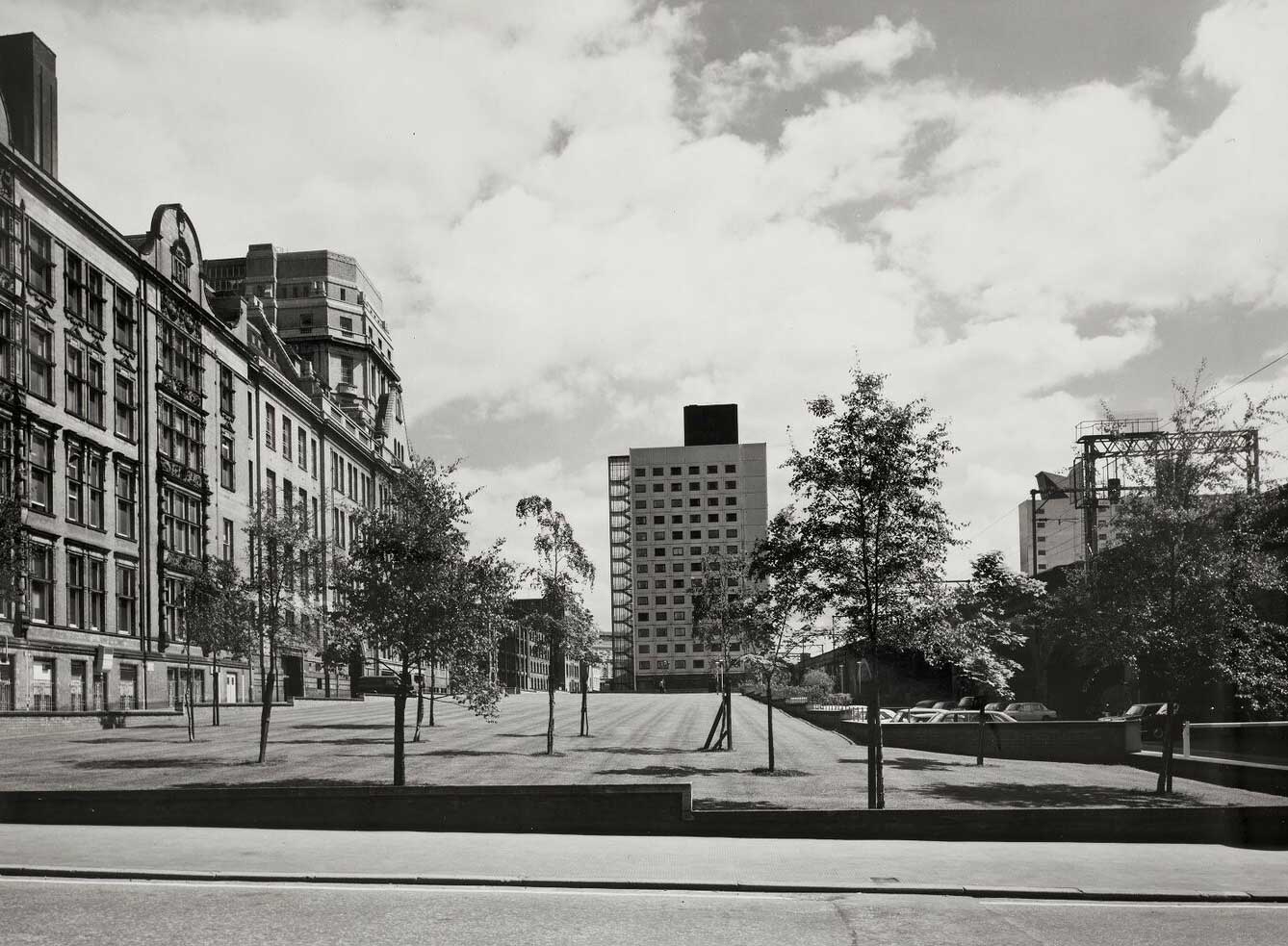
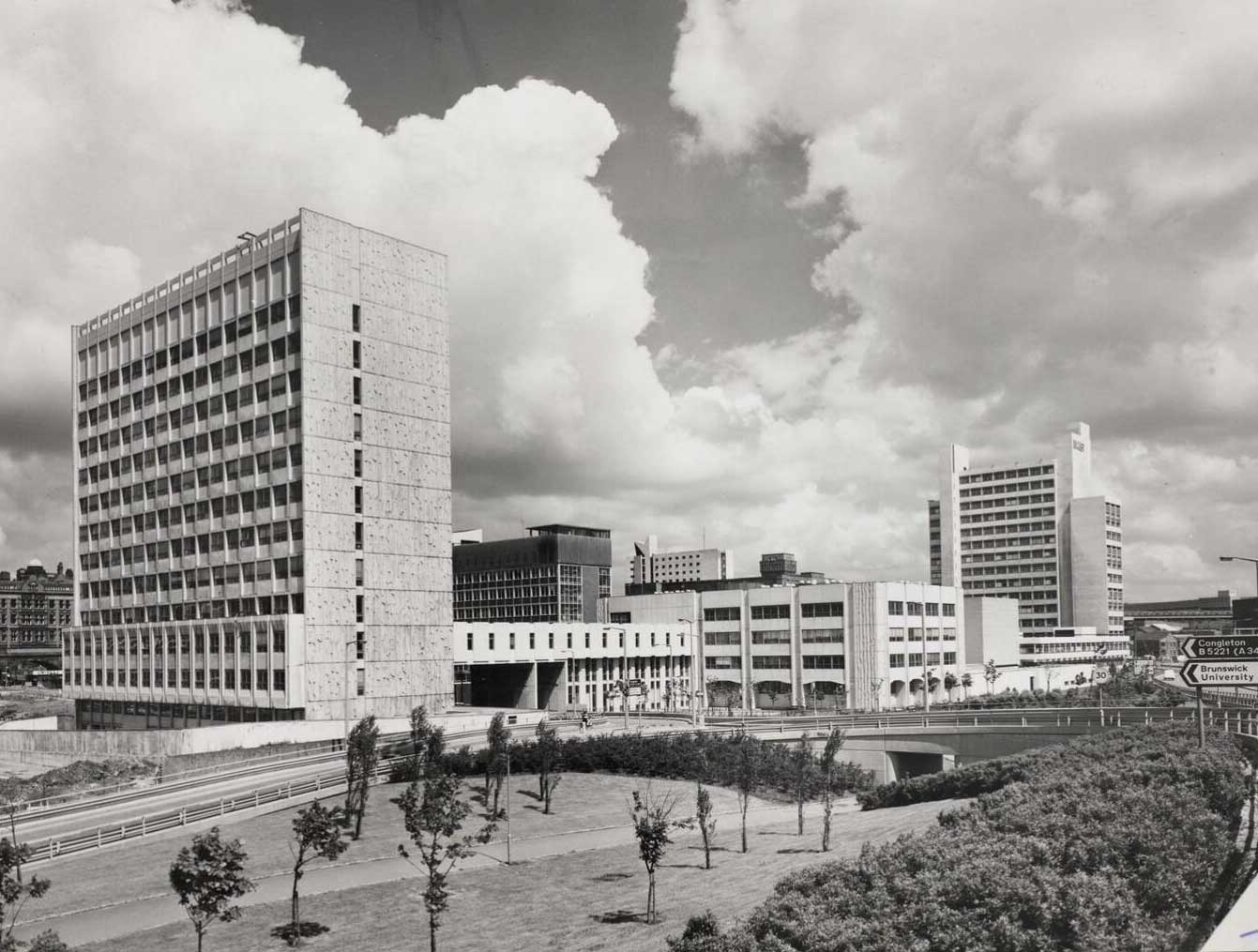
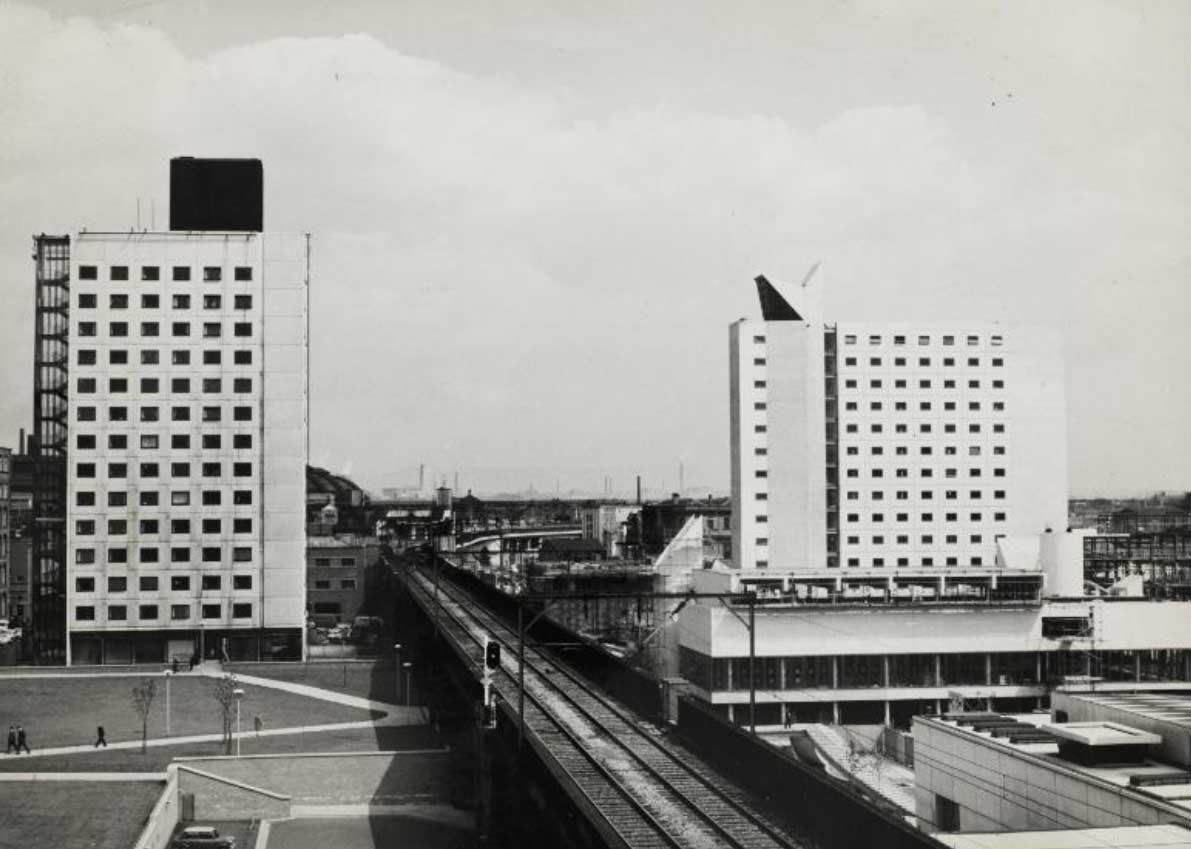
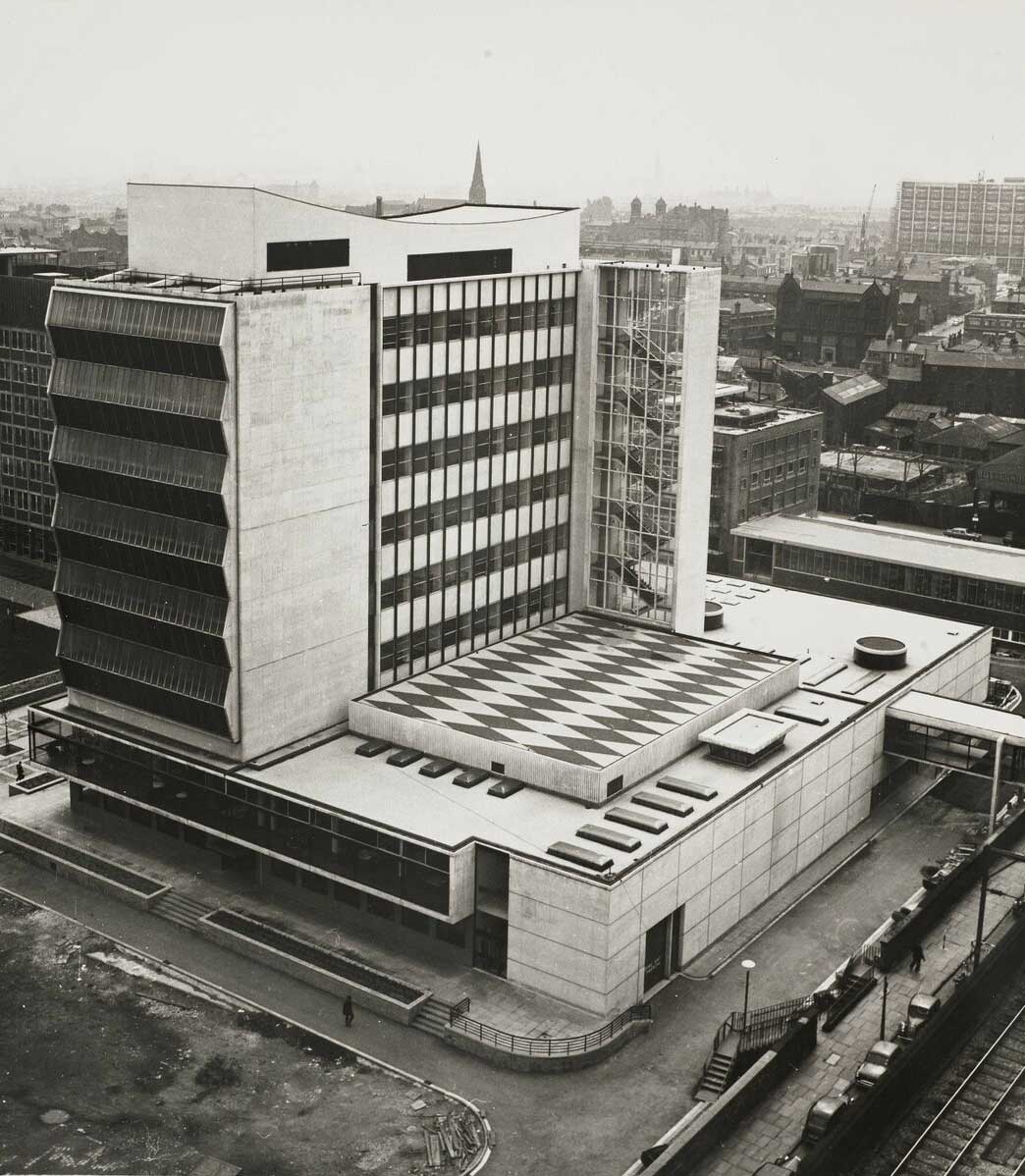
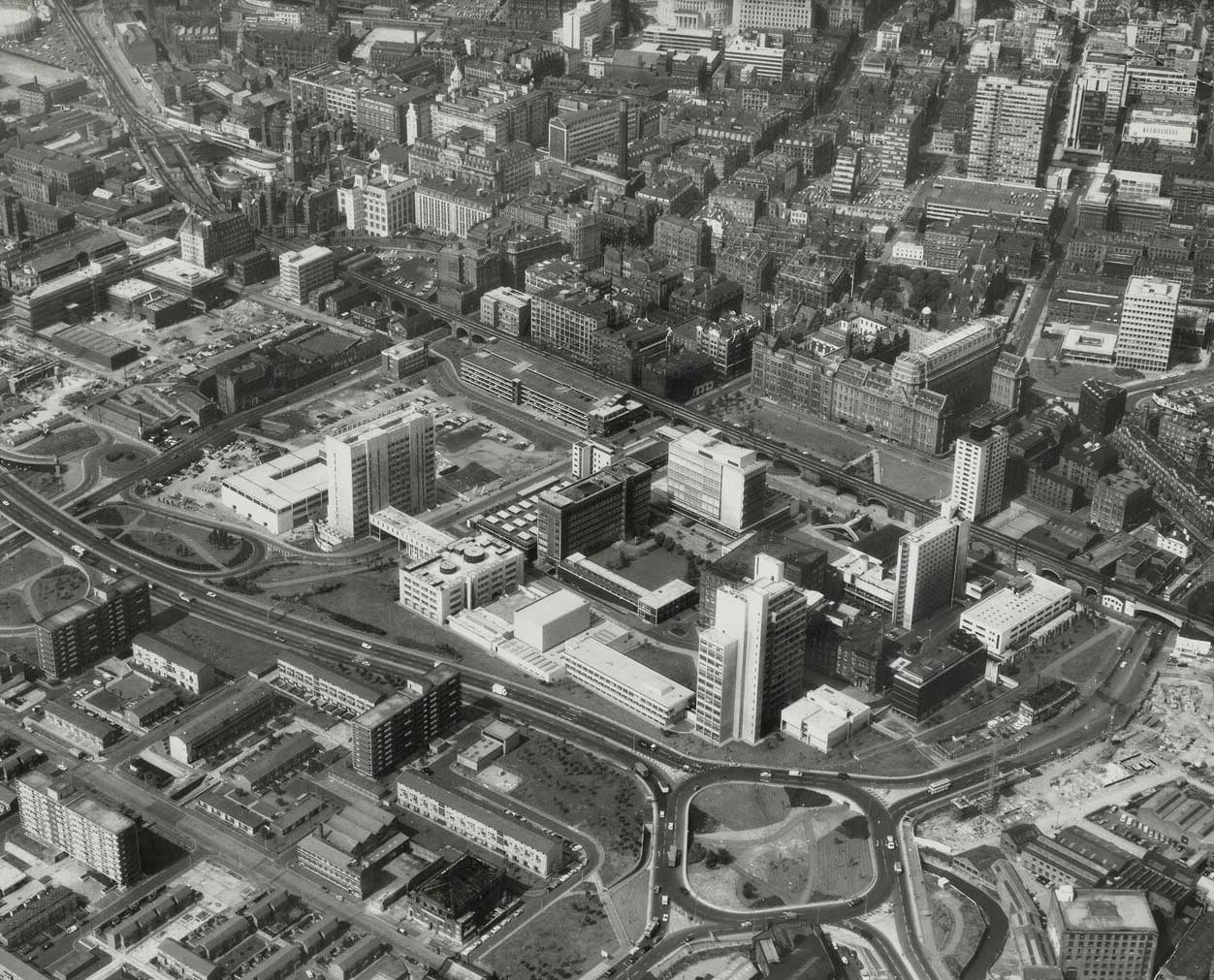
In the 1950s, it was on this site that they chose to build the most technologically advanced university campus in the country, the University of Manchester Institute of Science and Technology (UMIST).
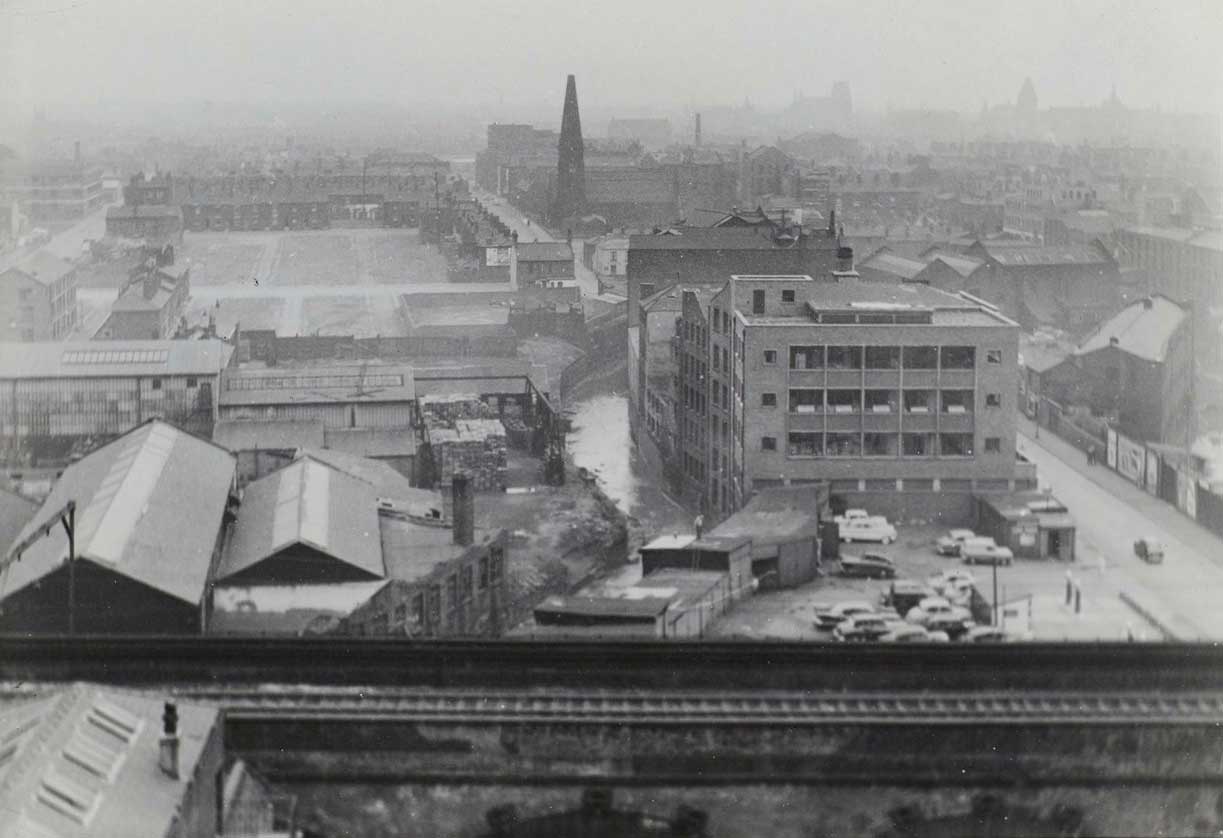

Manchester’s innovation heritage
A place we’re proud to call home
Sister stands on a site that has contributed significantly to Manchester’s innovation heritage. Once home to high-tech industries like printing, dyeing and manufacturing during the height of Manchester’s nineteenth-century “Cottonopolis” era, by the middle of the twentieth century the area had transformed into a global centre for computing, electronics and engineering.
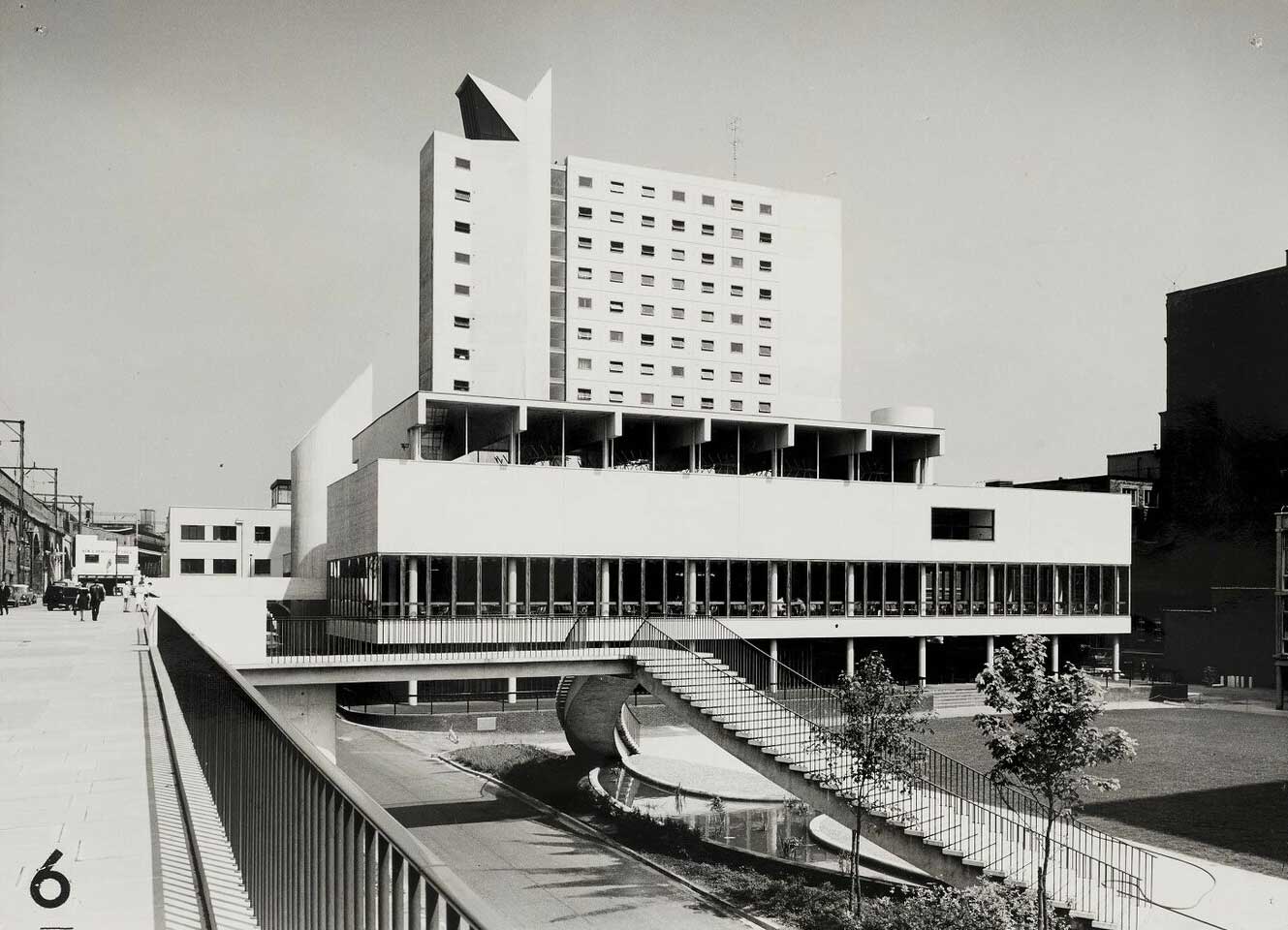
The most technologically advanced university campus in the country
Innovation through collaboration
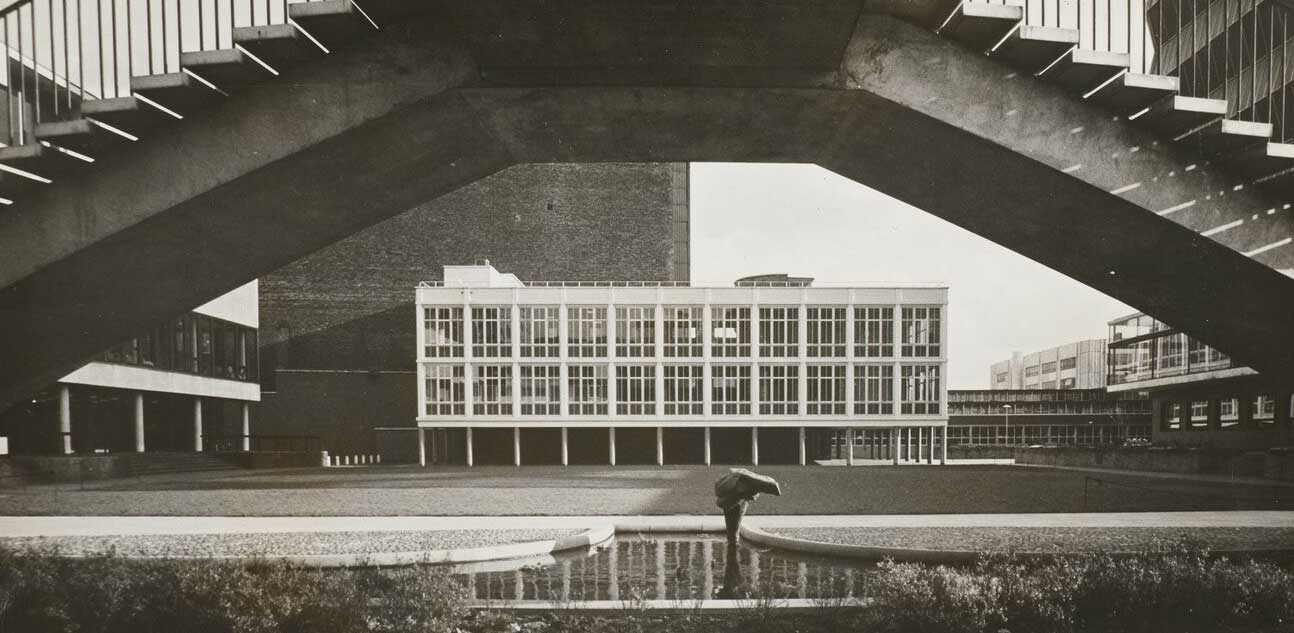
In the 1950s, it was on this site that they chose to build the most technologically advanced university campus in the country, the University of Manchester Institute of Science and Technology (UMIST).
For almost 50 years, UMIST lived by this philosophy. And it built a reputation as one of the most important research-based universities in the world.
The Renold Building
Inclusive, purpose-driven community
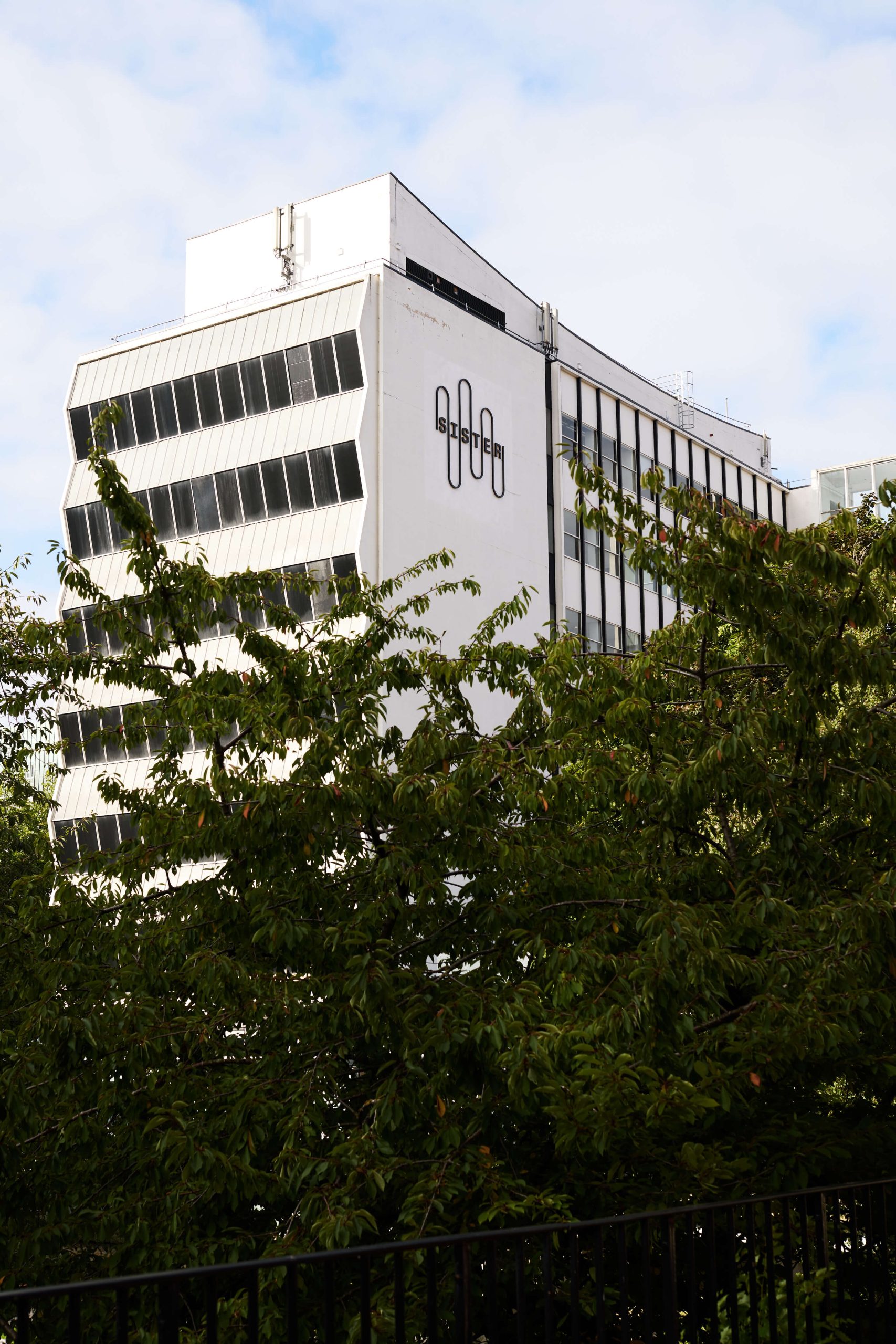
The Renold Building is the first of Sister’s buildings to open, in Autumn 2024. Reactivated as an innovation hub, it will act as the keystone of the Sister ecosystem and a new home for Manchester’s most promising entrepreneurs, start-ups and spin-outs.
Celebrating its history as an educational hub, Renold will be an inclusive, purpose-driven community, hosting the UK’s next wave of science and technology innovators.
"Industry has as much to contribute to the universities as the universities have to industry."
Vivian Bowden - The first president of UMIST